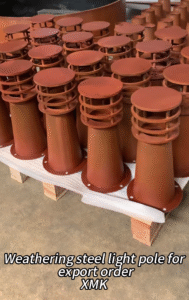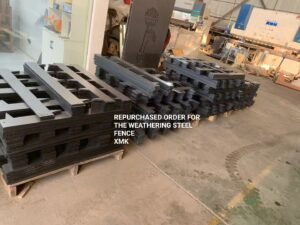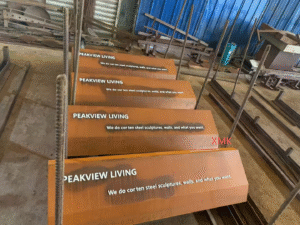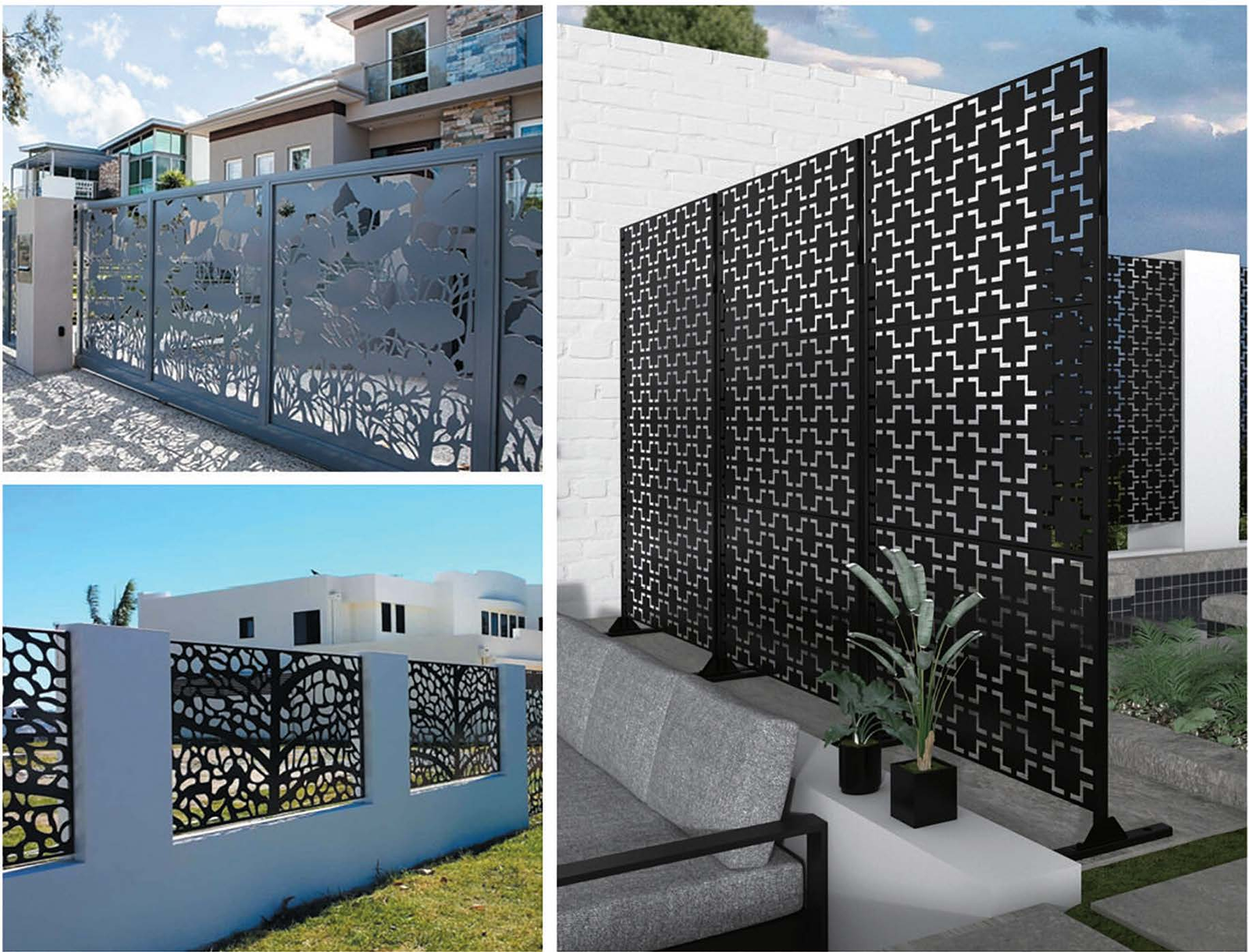
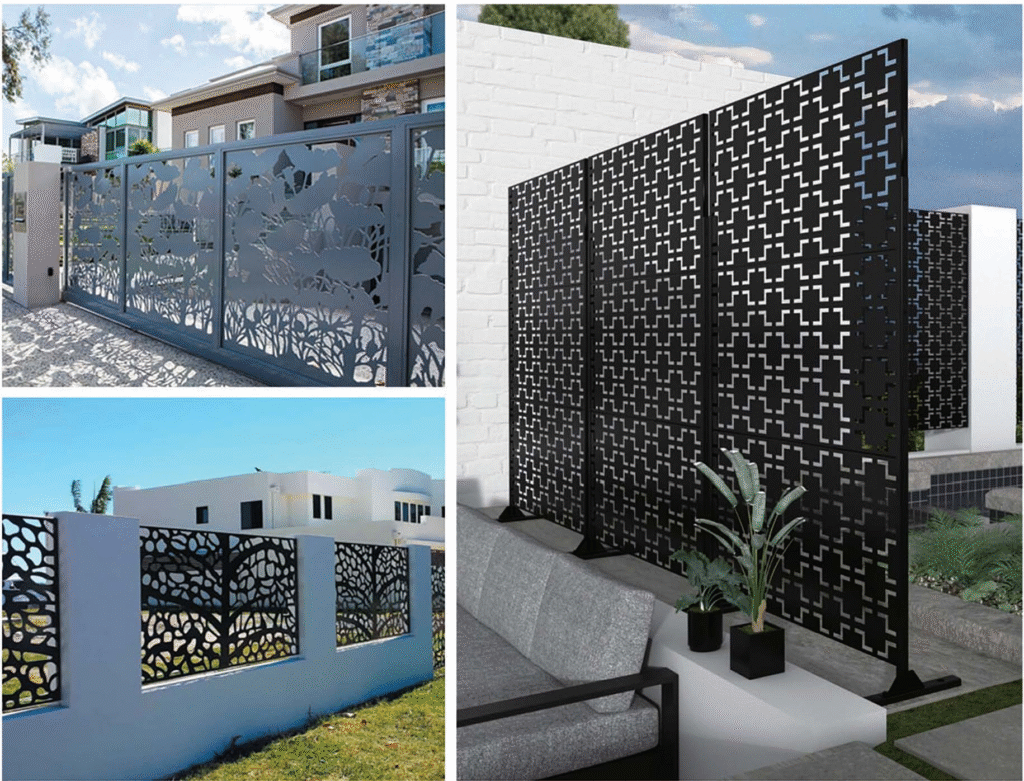
The architectural landscape of the Middle East is a testament to both its rich heritage and its bold, forward-looking vision. In this context of rapid urban development and extreme environmental conditions, the choice of building materials is paramount. While glass and concrete dominate, an alternative is gaining traction for its unique blend of durability, aesthetics, and sustainability: weathering steel, particularly for building facades and curtain walls.
Often known by its trademark name COR-TEN steel, weathering steel is a group of steel alloys that form a stable, protective rust-like appearance when exposed to the elements. This is not the destructive corrosion of ordinary steel, but a dense, adherent layer that halts further degradation. For the demanding climate of the Middle East, this material offers a compelling set of advantages.
1. Unmatched Durability in Harsh Climates
The Middle East presents a formidable environment for building exteriors:
- Intense UV Radiation: Constant, powerful sunlight can degrade and fade many materials.
- High Temperatures: Extreme heat can cause conventional materials to expand, contract, and stress.
- Sand and Dust Storms: Abrasive particles can scour and erode surfaces over time.
- Saline Atmosphere: In coastal cities like Dubai, Doha, or Jeddah, salt in the air accelerates the corrosion of standard metals.
Weathering steel is uniquely suited to these challenges. Its protective patina is not just a coating; it is part of the material itself. It is highly resistant to abrasive sand and is unaffected by UV radiation. Furthermore, it possesses a higher strength-to-weight ratio than standard steel, allowing for robust yet potentially lighter facade structures.
2. The Distinctive Aesthetic: A Bridge Between Eras
The deep, orange-brown hue of a weathered steel facade is visually striking. It evokes a sense of solidity, timelessness, and organic integration with the earth. This aesthetic can create a powerful dialogue between a building and its context.
- Modernist Appeal: The rich, textured finish offers a warm, natural counterpoint to the cool, sleek surfaces of glass and aluminum, adding depth and character to contemporary designs.
- Cultural Resonance: The color and texture of weathering steel can subtly reference the terracotta, ochre, and reddish-brown tones found in traditional Middle Eastern architecture and desert landscapes, creating a building that feels both modern and rooted in its place.
3. Economic and Sustainable Benefits
Beyond its visual and durable qualities, weathering steel offers significant practical benefits:
- Low Maintenance: Once the patina has stabilized (typically over 1-3 years), the facade requires no painting, coating, or chemical treatments. This translates to dramatically reduced long-term maintenance costs—a critical consideration for large-scale projects.
- Sustainability: The elimination of paints and coatings removes volatile organic compounds (VOCs) from the construction process. The material is also 100% recyclable at the end of its long life cycle, aligning with the growing sustainability goals of the region.
- Construction Efficiency: Weathering steel facade panels can be pre-fabricated and installed efficiently, speeding up construction timelines.
Important Considerations for Implementation
While the benefits are clear, successful implementation in the Middle East requires careful planning:
- Patina Development: The initial “run-off” from the forming patina can stain adjacent materials like light-colored stone or concrete. Detailing must include gutters and drips to manage this water runoff, especially in the first few years.
- Design Detailing: Proper drainage and avoidance of moisture traps are essential to ensure uniform patina formation and prevent localized corrosion.
- Initial Cost: The material cost of weathering steel is higher than that of standard steel or aluminum. However, this must be evaluated against the significant savings in long-term maintenance.
Conclusion
Weathering steel facades represent a sophisticated choice for the Middle East, where resilience, aesthetics, and sustainability are increasingly important. It is a material that does not fight the harsh climate but evolves with it, developing a protective skin and a unique character over time. As architects and developers in the region continue to seek innovative and expressive materials, weathering steel stands out as a powerful option for creating enduring, iconic, and contextually resonant architecture that tells a story of strength and permanence under the desert sun.
Contact us for a perfect proposal:
+86 173 6669 2145
qihengtrkrystal@gmail.com